Choosing a CNC Machine in 2026 requires more than comparing prices, spindle speeds, or glossy automation claims. The right choice depends on your materials, tolerances, floor space, operator skills, and production goals. A compact three-axis machine may suit an engineering workshop, while a five-axis system could reduce setups for complex aerospace components. Yet advanced features can create unnecessary costs when your daily work remains simple.
This guide examines practical selection criteria from a buyer’s perspective. It considers work envelope, rigidity, controller usability, tool-changing speed, maintenance access, energy use, and software compatibility. Real performance matters. A machine advertised at high speed may struggle with vibration when cutting hardened steel. A smaller spindle may deliver cleaner results on aluminum and consume less power. Details like chip management and service response often matter more than impressive specifications.
Look beyond the brochure.
Reliable decisions should combine manufacturer documentation, independent testing, operator feedback, and local service support. Verify repeatability under realistic workloads, not only showroom demonstrations. Ask how quickly replacement parts arrive and whether technicians understand your industry. Total ownership cost includes tooling, training, calibration, downtime, and electricity.
No checklist is perfect. I have seen buyers overvalue maximum travel and undervalue setup time. That mistake can quietly reduce productivity for years. This 2026 guide will help you question assumptions, compare evidence, and select a CNC Machine that fits your actual workflow rather than an imagined one.
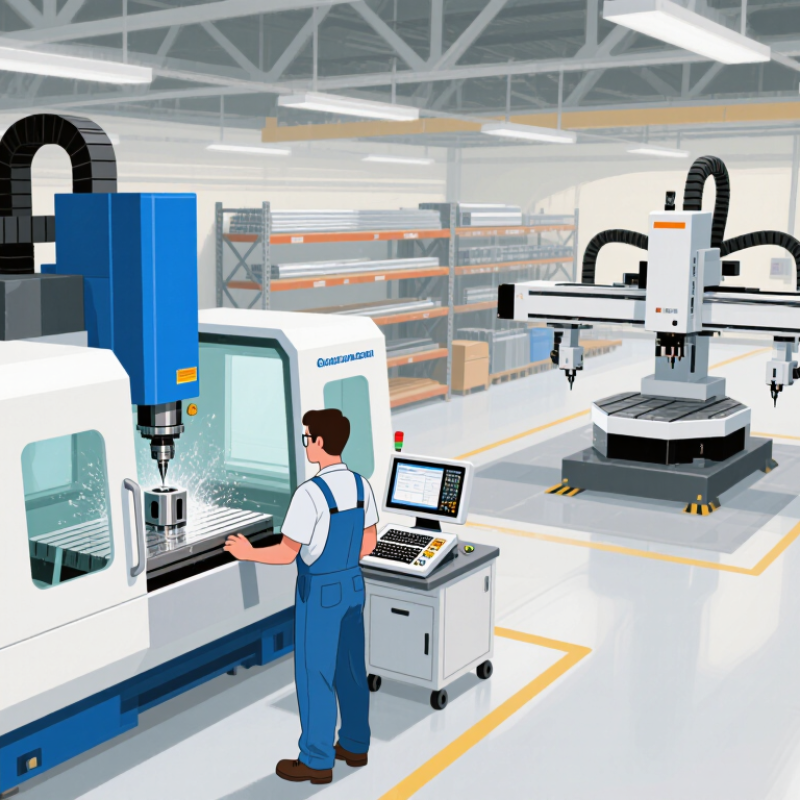
Choosing a CNC machine in 2026 starts with motion, not price. A CNC mill holds the workpiece while rotating tools remove material from several directions. A CNC lathe usually rotates the workpiece against a fixed tool, making shafts, bushings, and threaded parts efficiently. Routers suit large sheets and softer materials, while EDM machines cut conductive metals through controlled electrical discharge. Each type solves a different geometry problem.
Axis count changes capability. A three-axis mill handles flat pockets and vertical walls. A five-axis machine reaches angled surfaces with fewer setups, reducing alignment errors. However, extra axes also increase programming demands, maintenance needs, and training costs. Grand View Research estimated the global CNC machine market at about 83.99 billion dollars in 2023, with strong growth expected through 2030. That expansion reflects automation demand, but market growth does not guarantee a good fit for every workshop. Measure twice.
Match the machine to real parts. Check material hardness, maximum dimensions, spindle speed, positional accuracy, batch size, and available floor space. For a small aluminum bracket, a compact three-axis mill may be practical. For repeated steel shafts, a turning center with automatic tooling may deliver better cycle times. Industry reports from Fortune Business Insights also identify automotive, aerospace, and general manufacturing as major demand sectors. Their needs differ sharply. I would not choose five axes merely for prestige. A simpler machine can win when operators need reliable production, clear maintenance access, and predictable training time. Forecasts can be wrong. Your sample part is harder to misread.
Comparing CNC machine types by their typical number of simultaneously controlled axes.
How to read the chart: A higher axis count can reduce repositioning and improve access to complex surfaces, but it usually increases programming, setup, and operating requirements. The figures represent common machine configurations rather than universal limits.
Best for prismatic parts, pockets, holes, and general metal cutting. The tool moves along X, Y, and Z.
Suitable for complex molds, aerospace components, and parts requiring machining from multiple angles in fewer setups.
Designed mainly for cylindrical parts. The workpiece rotates while the cutting tool commonly uses two controlled axes.
Commonly used for wood, plastics, composites, and sheet materials, typically with three linear axes.
Optimized for small, slender, high-volume components. Depending on the configuration, it may use multiple tool paths and auxiliary axes.
Choosing a CNC machine in 2026 starts with your production reality, not the machine’s advertised specifications. Record annual part volume, batch size, target cycle time, tolerance, and required surface finish. A machine for twenty prototypes differs greatly from one cutting 10,000 housings.
Material selection changes the entire decision. Aluminum needs efficient chip evacuation and higher cutting speed. Stainless steel demands rigidity, torque, coolant control, and stable tooling. Hardened steel may require slower cutting and stronger workholding. Also measure stock dimensions, thermal expansion, workpiece weight, and access to critical features. A larger work envelope is not automatically better. It can increase floor space, energy use, and setup time. International Federation of Robotics reported 541,302 industrial robots were installed worldwide in 2023, showing how strongly manufacturers are pursuing repeatable production. However, automation only helps when part flow is predictable.
Tips: Build a simple production worksheet. Include material grade, monthly quantity, tolerance, setup count, and operator skill. Ask for a real cutting test with your material. Check chips, heat, vibration, and cycle time. A spreadsheet can still lie. Your forecast may be wrong, so leave capacity for new materials and unexpected orders. Review ISO 230-2 positioning-test results, but do not treat one accuracy number as the whole machine. Reliability also depends on maintenance access, coolant filtration, tooling availability, and local technical support.
Use this comparison to match machine architecture, working envelope, cutting capability, accuracy, and automation level with your actual production requirements.
| Production Need or Material Requirement | Recommended CNC Machine Type | Typical Workpiece Size | Suitable Materials | Typical Spindle Power | Typical Spindle Speed | Typical Positioning Accuracy | Production Volume | Key Configuration Requirements | Main Limitations |
|---|---|---|---|---|---|---|---|---|---|
| General prismatic parts, prototypes, repair work, and low-to-medium batch production | 3-Axis Vertical Machining Center | Small to medium parts; commonly up to approximately 1,000 × 500 × 500 mm, depending on the machine | Aluminum, mild steel, stainless steel, brass, engineering plastics, and cast iron | 7.5–22 kW | 6,000–15,000 rpm | Approximately ±0.005–0.02 mm under controlled conditions | Prototype to medium batch | Rigid cast structure, automatic tool changer, flood coolant, probing, and a 12–24 tool magazine | Multiple setups may be needed for angled surfaces and features on several faces |
| Parts requiring machining on four sides, indexed features, or fewer manual setups | 4-Axis Machining Center | Small to medium parts; rotary-table capacity is determined by table diameter and load rating | Aluminum alloys, steels, stainless steel, brass, bronze, and plastics | 11–30 kW | 6,000–15,000 rpm | Approximately ±0.005–0.02 mm; rotary-axis accuracy depends on the indexing system | Low to high batch | Integrated rotary axis, adequate torque at low speed, through-tool coolant for deep holes, and workholding suitable for repeated indexing | It may not provide continuous simultaneous access to complex free-form surfaces |
| Complex aerospace, medical, impeller, mold, and die components requiring simultaneous multi-face cutting | 5-Axis Machining Center | Small to medium complex parts; envelope varies significantly with table size and rotary-axis design | Titanium, nickel alloys, stainless steel, aluminum, hardened steel, tool steel, and composites | 15–40 kW | 8,000–24,000 rpm; lower speeds are often used for difficult alloys | Approximately ±0.005–0.02 mm; volumetric accuracy depends on calibration and thermal control | Prototype to high-value batch production | High-rigidity structure, collision avoidance, tool-center-point control, probing, thermal compensation, and high-pressure coolant | Higher purchase, programming, fixturing, and maintenance costs; requires skilled process planning |
| Round parts, shafts, bushings, threaded components, and parts with a high turning-to-milling ratio | CNC Turning Center | Bar or billet diameter commonly from approximately 6–650 mm, depending on the machine | Steel, stainless steel, aluminum, brass, bronze, titanium, plastics, and nickel alloys | 7.5–37 kW | 2,000–6,000 rpm; maximum speed depends on chuck, bar size, and balance | Approximately ±0.005–0.02 mm under stable thermal conditions | Medium to high batch | Hydraulic or pneumatic chuck, bar feeder for repetitive work, automatic tool turret, chip conveyor, and parts catcher when required | Limited suitability for large planar surfaces or complex non-rotational features without live tooling |
| Turned parts that also require drilling, tapping, keyways, flats, or off-center milling | Mill-Turn Center | Small to medium rotational parts; capacity is constrained by chuck size, spindle bore, and tool clearance | Steel, stainless steel, aluminum, titanium, nickel alloys, brass, and engineering plastics | 11–45 kW for the turning spindle; driven tools commonly use 3–15 kW | Turning spindle commonly 2,000–5,000 rpm; driven tools commonly 4,000–12,000 rpm | Approximately ±0.005–0.02 mm, depending on machine configuration and process control | Medium to high batch | Y-axis, live tooling, sub-spindle, automatic part transfer, bar feeder, and synchronized spindle control | More complex programming and higher setup cost than a standard turning center |
| Large plates, welded frames, molds, and heavy steel or cast-iron components | CNC Gantry or Bridge Mill | Large parts; working areas commonly range from approximately 2,000 × 1,000 mm to several meters | Carbon steel, stainless steel, cast iron, aluminum, tool steel, and composite panels | 15–75 kW | 3,000–12,000 rpm; high-torque spindles are preferred for heavy cuts | Approximately ±0.01–0.05 mm, depending on machine size, thermal conditions, and calibration | Low to medium batch | Heavy-duty bed, large table load rating, long-axis feedback, chip management, and a spindle selected for torque rather than speed alone | Large floor-space requirement, higher installation cost, and slower acceleration than smaller machines |
| Fast profiling, nesting, sign work, panels, furniture components, and non-ferrous sheet materials | CNC Router | Large sheet areas; commonly approximately 1,220 × 2,440 mm or larger | Wood, MDF, plywood, plastics, foam, aluminum sheet, and composite panels | 3–15 kW | 12,000–30,000 rpm | Approximately ±0.05–0.20 mm, depending on frame rigidity, tooling, and feed rate | Prototype to high-volume sheet processing | Vacuum table, dust extraction, automatic tool length measurement, high-speed spindle, and nesting software | Generally unsuitable for heavy steel cutting and high-load machining of hard alloys |
| Very fine detail, small cavities, micro-features, and high surface-finish requirements in non-ferrous materials | High-Speed Precision Machining Center | Small to medium parts; usually optimized for compact work envelopes | Aluminum, copper, graphite, plastics, brass, and hardened tool steel with suitable tooling | 10–30 kW | 18,000–40,000 rpm | Approximately ±0.003–0.01 mm under controlled environmental conditions | Prototype to medium batch | High-speed spindle, fine-resolution feedback, thermal stabilization, minimum-quantity lubrication or suitable coolant, and balanced tooling | High-speed spindles may not deliver sufficient low-speed torque for heavy roughing |
Selection note: Published specifications vary by machine size, controller, tooling, workholding, material condition, and test method. Confirm cutting tests, achievable cycle time, thermal stability, and dimensional results using your own material, tooling, and production drawings before purchasing.
Start with the work envelope, not the advertised machine size. Measure your largest part, fixture, tool clearance, and chip space. Leave room for future projects. A tight enclosure can make routine loading surprisingly difficult.
Accuracy and repeatability are different specifications. Accuracy describes closeness to the programmed position. Repeatability shows how consistently the machine returns there. For precision work, check both values, along with thermal compensation and positioning test methods. Ask for test reports based on recognized measurement procedures. A small tolerance on paper may change after several hours of cutting. Verify it with a sample part.
Speed should include spindle range, rapid travel, acceleration, and cutting feed. High spindle speed is useful for small tools, but it cannot replace rigidity. Rigidity matters more. Match motor torque and spindle power to your materials. Then examine the table load, axis travel, and tool capacity. A heavy fixture can consume capacity quickly. In shop evaluations, I prefer cutting trials over impressive specifications. Test it under load. Listen for vibration, inspect the surface finish, and measure the finished part. I once underestimated setup time because the machine’s capacity looked generous. That mistake still influences my checklist. Service response, calibration support, and operator training also affect real accuracy. A machine is only as reliable as its maintenance records and daily operating discipline.
Evaluate Software, Automation, Maintenance, and Operator Skills
A capable CNC machine begins with dependable software, not impressive specifications. Check whether its simulation can detect collisions, incorrect tool lengths, and excessive cutting loads. The postprocessor must match the machine accurately. A small mismatch can damage a fixture or ruin expensive material. Ask for a practical demonstration using your typical parts. Screenshots are not enough.
Consider automatic tool measurement, pallet changes, probing, and chip removal. Watch the machine during a full production cycle. Does it pause for confirmation? Does the system recover after a tool break? I once focused too heavily on cycle time and underestimated setup interruptions. That mistake changed the purchasing criteria. Simple automation often performs better than complicated features operators rarely trust.
Review lubrication intervals, filter access, service records, and replacement-part availability. A machine that is difficult to clean will eventually lose accuracy. Keep a weekly inspection sheet near the control panel. Record spindle noise, coolant condition, tool wear, and unexpected alarms.
Operator skill remains critical. Experienced workers should test the interface, loading process, and alarm messages before purchase. Training must include workholding, offsets, inspection, and safe recovery procedures. Short training is risky. Even reliable equipment needs judgment when real production becomes untidy.
Choosing a CNC machine in 2026 starts with total cost, not the sticker price. A spreadsheet often misses installation, tooling, coolant, software, and operator training. That mistake is expensive. Add electrical upgrades, floor preparation, extraction, delivery, financing, maintenance, and expected scrap. Estimate productive spindle hours, not advertised rapid-traverse speed. The U.S. Bureau of Labor Statistics reported a median machinist wage of $48,550 in May 2023. One avoidable hour of downtime can exceed its repair invoice. Include warranty limits, service travel, spare parts, and realistic resale assumptions.
Safety is a capital requirement. Check guarding, door interlocks, emergency stops, chip containment, coolant exposure, noise, and ergonomic loading before comparing cycle times. Apply ISO 12100 risk-assessment principles and relevant local machine-safety requirements. OSHA machine-guarding guidance focuses on points of operation and rotating hazards. Energy is another quiet cost. The U.S. Department of Energy’s Compressed Air Sourcebook notes that leaks can waste 20–30% of compressor output. Inspect pneumatic clamping and blow-off circuits carefully. Over five to ten years, compare energy per part, service response, control obsolescence, retrofit options, and training retention. A cheaper machine may need more manual intervention. That weakens long-term value. Test a representative part with real tooling and material. Measure the real thing. Request measured cycle time and repeatability. Claims can look precise. Not the brochure. Reserve a contingency, because production rarely follows the original model.
CNC mills hold the workpiece while rotating tools remove material. Lathes rotate the workpiece against a fixed tool. Routers suit large sheets and softer materials. EDM machines cut conductive metals using controlled electrical discharge. Each type solves a different geometry problem.
Choose a mill for brackets, pockets, holes, and angled faces. Choose a lathe for shafts, bushings, and threaded parts. A small aluminum bracket may suit a three-axis mill. Repeated steel shafts may need a turning center with automatic tooling. Match the machine to real parts.
No. Five axes reach angled surfaces with fewer setups. This can reduce alignment errors. However, programming, maintenance, and training become harder. A three-axis machine may win for simple parts. More capability is not always better.
Check the work envelope, axis travel, table load, spindle power, and tool capacity. Measure the part, fixture, tool clearance, and chip space. Leave room for future projects. Advertised machine size can mislead. A tight enclosure makes loading awkward.
Accuracy means reaching the programmed position closely. Repeatability means returning to the same position consistently. Check both values and thermal compensation details. Request measurement reports using recognized procedures. Then verify performance with a sample part.
No. High speed helps small tools, especially on suitable materials. Rigidity matters more when cutting becomes demanding. Also check torque, feed rate, acceleration, and rapid travel. Test the machine under load. Listen for vibration and inspect the surface finish.
Simulation should detect collisions, incorrect tool lengths, and excessive cutting loads. The postprocessor must match the machine accurately. Demonstrations using typical parts are more useful than screenshots. Useful automation may include probing, tool measurement, pallet changes, and chip removal. Simple systems are sometimes easier to trust.
They directly affect accuracy and production reliability. Review lubrication intervals, filter access, service records, and replacement-part availability. Keep a weekly inspection sheet near the control panel. Record spindle noise, coolant condition, tool wear, and alarms. Training should cover offsets, workholding, inspection, and safe recovery procedures. Short training is risky.
Do not choose a machine from price, prestige, or forecasts alone. Test your actual sample part whenever possible. I once underestimated setup interruptions after focusing too heavily on cycle time. That mistake changed my checklist. Real production can be untidy.
Choosing the right CNC Machine in 2026 requires more than comparing prices. Start by understanding the main machine types and their core differences, then match them to your production goals, workpiece sizes, materials, and expected workload. Consider whether you need milling, turning, routing, cutting, or a flexible multi-purpose solution. Key specifications such as accuracy, repeatability, spindle speed, working capacity, axis movement, and cycle time should be evaluated together rather than individually.
Also review the machine’s software compatibility, automation options, maintenance requirements, and the skill level of available operators. A machine that is easy to program and service may deliver greater productivity over time. Finally, calculate the total cost, including installation, tooling, energy use, training, maintenance, safety equipment, and potential downtime. The best choice is not always the most powerful model, but the one that provides reliable performance, safe operation, practical usability, and strong long-term value for your specific manufacturing needs.