Blog
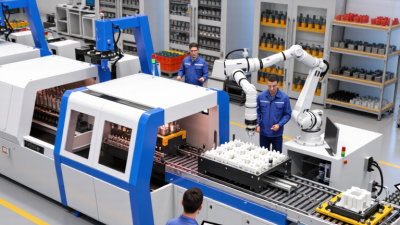
Top 10 Injection Molding Manufacturers for Global Buyers
Choosing an Injection Molding manufacturer is a technical decision, not a simple price comparison. Global buyers must examine tooling capability, material control, production consistency, and communication quality. A polished website proves very little. Factory evidence matters more.
Douglas M. Bryce, a recognized injection molding author, wrote, “The mold is the heart of the injection molding process.” That principle still guides serious supplier evaluation. A capable manufacturer should explain mold-flow risks, draft angles, cooling design, and expected tool life in practical terms. It should also provide clear quality records, dimensional reports, material certificates, and traceability documents. These details reveal whether a supplier controls production or merely promises it.
This Top 10 list focuses on manufacturers serving international buyers across automotive, medical, electronics, consumer products, and industrial markets. It considers engineering support, machine range, automation, certifications, export experience, delivery reliability, and after-sales service. Sustainability is also relevant, including recycled materials, energy efficiency, and waste reduction. However, no ranking is perfect. A company strong in high-volume automotive parts may not suit a startup needing flexible low-volume production. Regional pricing, communication habits, and tooling ownership can also change the final decision. Buyers should verify current capabilities directly, request samples, and ask difficult questions before signing. Small details matter. A late design change can reshape the entire project.
Read more »
 By:Ethan Caldwell
- October 16, 2026
By:Ethan Caldwell
- October 16, 2026
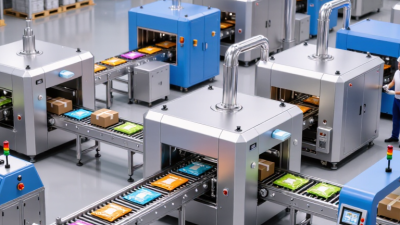
Top 10 Sealing Machine Manufacturers for Global Buyers
Choosing a Sealing Machine for global production is rarely a simple price comparison. Buyers must examine sealing accuracy, material compatibility, operating speed, temperature stability, and long-term service support. A machine that performs well on a showroom floor may struggle with humid storage rooms, uneven film thickness, or frequent product changes.
W. Edwards Deming, a leading quality-management expert, said, “Quality comes not from inspection, but from the improvement of the production process.” This principle remains practical for packaging equipment buyers. Reliable sealing depends on stable controls, careful maintenance, trained operators, and repeatable factory testing. Small details matter. A clean heating bar can prevent wasted pouches. A responsive sensor can reduce production stoppages.
This guide examines ten Sealing Machine manufacturers serving international buyers. The comparison considers product range, sealing technology, automation, customization, certifications, technical documentation, spare-part access, and customer support. It also considers total ownership cost, not only the initial quotation. A cheaper machine may demand more manual adjustment. That difference becomes expensive over thousands of packages.
The ranking is useful, but not absolute. Production needs vary widely. A food processor may prioritize washdown design, while a chemical supplier may require stronger material resistance. Some smaller manufacturers could deserve more attention than this list provides. That is worth admitting. Buyers should request sample tests, inspect service terms, verify actual references, and confirm local electrical requirements before purchasing. These practical checks create a clearer path toward dependable performance and safer global sourcing.
Read more »
By:Ethan Caldwell
- October 11, 2026

7 Labeling Machine Buying Tips for Global Buyers
Buying a Labeling Machine for global production is not simply a matter of comparing prices. It affects packaging quality, labor efficiency, product presentation, and long-term operating costs. A machine that performs well in one factory may struggle with another facility’s humidity, power supply, or container shapes. Experienced buyers examine these details before signing a purchase agreement.
Start with the real production conditions. Measure bottle diameter, label material, adhesive type, line speed, and expected daily output. A machine labeling 60 containers per minute may sound sufficient, but frequent changeovers can reduce actual performance. Ask suppliers for videos, sample tests, and references from similar industries. Small evidence matters.
Supplier reliability deserves equal attention. Verify technical support, spare-parts availability, warranty terms, installation guidance, and operator training. Request clear documents covering electrical standards, safety features, maintenance schedules, and inspection procedures. Global shipping can add unexpected costs, including packaging, insurance, duties, and commissioning. These expenses should appear in the total ownership estimate.
Do not rely on attractive specifications alone. Some claims may reflect ideal laboratory conditions rather than everyday factory work. A practical test using your own containers and labels can reveal wrinkles, slipping, or inconsistent positioning. I have found that buyers sometimes focus too heavily on initial price and overlook service response time. That is an understandable mistake, but an expensive one.
The following seven buying tips provide a structured way to compare suppliers, evaluate machine capability, and reduce avoidable purchasing risks. Good decisions come from evidence, realistic production data, and careful questions. Not perfect assumptions.
Read more »
By:Ethan Caldwell
- October 6, 2026
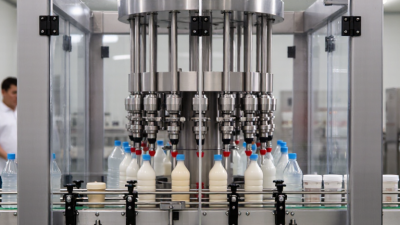
How to Choose the Right Filling Machine for Your Business?
Choosing the right Filling Machine can determine whether your production line runs smoothly or wastes time, product, and labor. The decision is rarely about speed alone. Product thickness, container shape, filling volume, cleaning requirements, and future demand all matter.
Packaging machinery specialist Kevin T. Higgins offers a useful principle: “The best machine fits the product before it fits the production target.” This idea deserves attention. A thin liquid may work well with an overflow or gravity filler. A thick cream may need piston or servo-driven technology. Foamy products require different control, especially when accuracy matters.
Look closely at your product on the factory floor. Does it drip after filling? Does it separate during storage? Does the bottle wobble under the nozzle? Small details can expose major equipment problems. A machine that performs well during a short demonstration may struggle after eight hours of continuous operation.
Your container material also influences the choice. Glass, flexible pouches, and lightweight plastic bottles behave differently. The filling speed must match your capping, labeling, and inspection equipment. Otherwise, one fast machine creates a slow bottleneck elsewhere.
Do not ignore cleaning.
Ask suppliers about changeover time, spare parts, operator training, and service response. Request a product trial using your real formula and containers. You may discover that the most expensive option is unnecessary. You may also find that the cheapest model cannot protect your quality standards.
Choosing well requires practical testing, honest production data, and room for future growth. Mistakes happen. The goal is to make them smaller, earlier, and easier to correct.
Read more »
 By:Amelia
- October 1, 2026
By:Amelia
- October 1, 2026
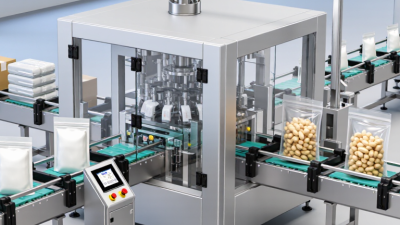
10 Tips for Choosing the Right Packaging Machine
Choosing a Packaging Machine is not simply a matter of selecting the fastest model or the lowest quoted price. The right choice depends on what you pack, how your line runs, and what may change over time. A powder, a fragile snack, and a liquid each place different demands on filling, sealing, and product handling. Even package size and film behavior can affect accuracy and production speed.
Small details matter. A machine that performs well during a short demonstration may behave differently during a full production shift. Ask suppliers to test your actual product and packaging materials, then review the results, changeover time, cleaning needs, and service access. Confirm how the equipment will connect with upstream and downstream machines. A quoted speed alone rarely tells the whole story.
Budget deserves the same careful look. Include installation, training, spare parts, maintenance, and potential downtime—not only the purchase price. If your product range or volume may grow, consider whether the machine can adapt without costly modifications. Still, flexibility is not always worth paying for if you will never use it. That assumption deserves a second look. The following ten tips offer a practical way to compare options, ask better questions, and identify trade-offs before committing. The best decision is the one supported by real product trials, clear operating requirements, and service information you can verify.
Read more »
By:Ethan Caldwell
- September 26, 2026
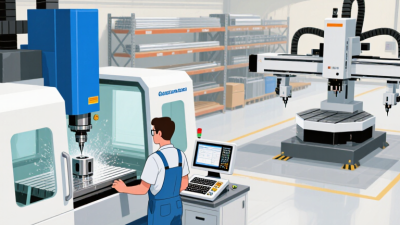
How to Choose a CNC Machine in 2026?
Choosing a CNC Machine in 2026 requires more than comparing prices, spindle speeds, or glossy automation claims. The right choice depends on your materials, tolerances, floor space, operator skills, and production goals. A compact three-axis machine may suit an engineering workshop, while a five-axis system could reduce setups for complex aerospace components. Yet advanced features can create unnecessary costs when your daily work remains simple.
This guide examines practical selection criteria from a buyer’s perspective. It considers work envelope, rigidity, controller usability, tool-changing speed, maintenance access, energy use, and software compatibility. Real performance matters. A machine advertised at high speed may struggle with vibration when cutting hardened steel. A smaller spindle may deliver cleaner results on aluminum and consume less power. Details like chip management and service response often matter more than impressive specifications.
Look beyond the brochure.
Reliable decisions should combine manufacturer documentation, independent testing, operator feedback, and local service support. Verify repeatability under realistic workloads, not only showroom demonstrations. Ask how quickly replacement parts arrive and whether technicians understand your industry. Total ownership cost includes tooling, training, calibration, downtime, and electricity.
No checklist is perfect. I have seen buyers overvalue maximum travel and undervalue setup time. That mistake can quietly reduce productivity for years. This 2026 guide will help you question assumptions, compare evidence, and select a CNC Machine that fits your actual workflow rather than an imagined one.
Read more »
By:Ethan Caldwell
- September 22, 2026

How to Choose the Best 3D Printer for Your Needs?
Choosing the best 3D Printer begins with understanding what you will actually make. A compact machine may suit miniatures, classroom projects, and replacement brackets. A larger model may handle prototypes, tool organizers, or functional household parts. Your decision should match your workspace, materials, skills, and patience.
Real experience often reveals details that product pages overlook. A quiet printer can still vibrate on a lightweight desk. A fast printer may require careful calibration and stronger ventilation. Check the build volume, nozzle temperature, heated bed, layer resolution, and compatible filament types. Also examine slicer software, spare parts, warranty support, and independent user reviews. These factors affect the printer long after the first successful test print.
Safety matters. Keep the machine on a stable, heat-resistant surface. Follow the manufacturer’s guidance for ventilation and electrical use. Avoid printing materials that your workspace cannot safely manage. Total cost matters, too. Filament, replacement nozzles, maintenance tools, and failed prints can change the budget quickly.
There is no universal winner.
A reliable recommendation must consider your real routine, not only impressive specifications. Beginners may value automatic bed leveling and simple software. Experienced users may prefer open settings and upgrade options. I have found that convenience sometimes limits control, while flexibility often increases maintenance. That trade-off deserves honest reflection. This guide will compare practical choices, common mistakes, and long-term value, helping you select a 3D Printer with greater confidence.
Read more »
By:Ethan Caldwell
- September 22, 2026
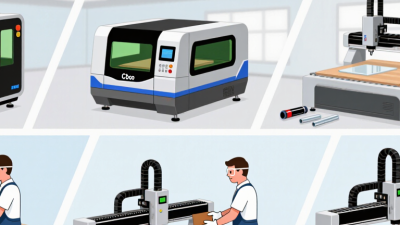
2026 Best Laser Cutter for Business Buyers?
Choosing the 2026 Best Laser Cutter for Business Buyers? requires more than comparing wattage and prices. A business-ready machine must fit real production demands, available floor space, operator skills, and long-term service expectations. The right choice should cut consistently, support repeatable workflows, and protect valuable working hours.
Epilog Laser co-founder John D. Jacobson offers a useful buying principle: “Choose the machine around your work, not around its headline specifications.” That advice remains practical. A compact diode Laser Cutter may suit signs, labels, and light engraving. A CO2 model can handle acrylic, wood, leather, and other non-metal materials more efficiently. Fiber systems serve metal marking and industrial identification.
Look beyond power ratings.
Examine bed size, autofocus, extraction, software compatibility, and maintenance access. Ask how quickly replacement parts arrive. Check whether local technicians can provide training and repairs. A low purchase price may become expensive when downtime reaches several days.
Real businesses also face imperfect materials, changing orders, and rushed deadlines. A machine that performs beautifully in demonstrations may struggle with warped plywood or inconsistent acrylic. That possibility deserves honest attention. Buyers should request sample tests using their own materials and production files.
This guide compares leading Laser Cutter options through operating cost, safety features, output quality, workflow flexibility, and after-sales support. It does not assume the most powerful machine is the best investment. The best model is the one that repeatedly earns its place beside your team.
Read more »
 By:Charlotte
- September 22, 2026
By:Charlotte
- September 22, 2026