Choosing a Packaging Machine is not simply a matter of selecting the fastest model or the lowest quoted price. The right choice depends on what you pack, how your line runs, and what may change over time. A powder, a fragile snack, and a liquid each place different demands on filling, sealing, and product handling. Even package size and film behavior can affect accuracy and production speed.
Small details matter. A machine that performs well during a short demonstration may behave differently during a full production shift. Ask suppliers to test your actual product and packaging materials, then review the results, changeover time, cleaning needs, and service access. Confirm how the equipment will connect with upstream and downstream machines. A quoted speed alone rarely tells the whole story.
Budget deserves the same careful look. Include installation, training, spare parts, maintenance, and potential downtime—not only the purchase price. If your product range or volume may grow, consider whether the machine can adapt without costly modifications. Still, flexibility is not always worth paying for if you will never use it. That assumption deserves a second look. The following ten tips offer a practical way to compare options, ask better questions, and identify trade-offs before committing. The best decision is the one supported by real product trials, clear operating requirements, and service information you can verify.
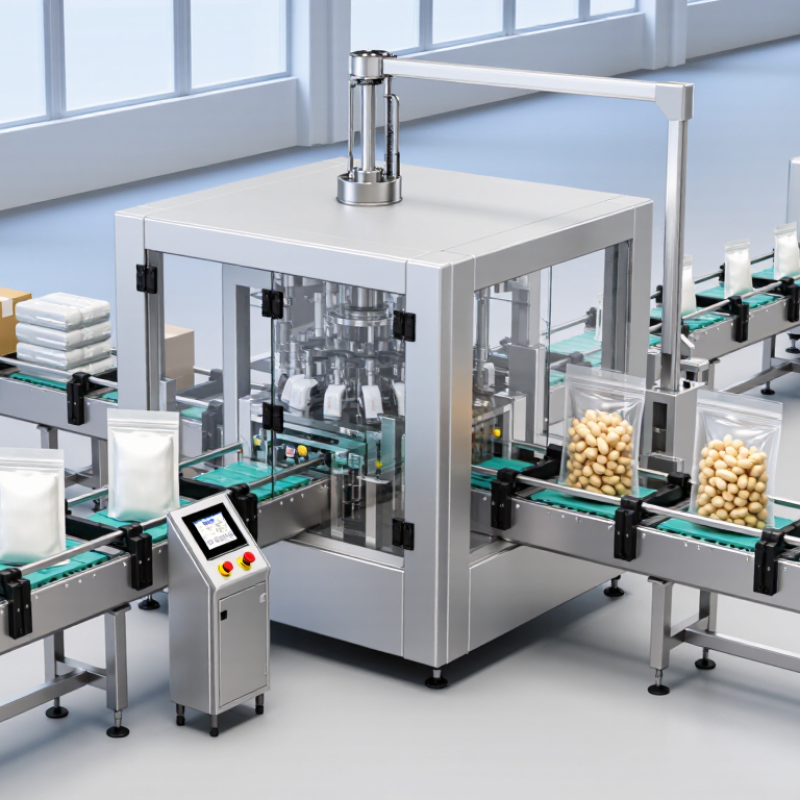
Before comparing machines, describe the product as it arrives at the line. Note its dimensions, weight, shape, surface texture, and whether it is fragile, dusty, oily, or temperature-sensitive. A glass jar with a wet shoulder behaves differently from a dry carton. Small details matter. Record variations between batches, too; the sample on your desk may be unusually neat.
Define the job packaging must do. Is the priority portion accuracy, a clean seal, protection from vibration, longer shelf life, or easy opening? Specify the packaging material and target output per minute, but include acceptable damage and reject rates. A high-speed target means little if operators spend the shift clearing jams. Measure the current workflow, including changeover time and minutes spent refilling film or labels.
Ask operators and quality staff where trouble actually starts. They may point to powder collecting near a sealing jaw, labels lifting in a cold room, or caps arriving slightly oval. Test representative products and packaging materials under realistic conditions, not just in a polished sample run. Keep photos and results. Be honest about unknowns; product behavior can change with humidity, fill temperature, or supplier variation. Early estimates are often wrong. Leave room in the specification for those findings before choosing a machine configuration.
A packaging machine should match the volume your line can sustain, not just the highest number on a sales sheet. Check your average hourly output and your busiest production periods. Then compare them with the machine’s rated speed under conditions similar to yours. A unit rated for 60 packs per minute may run slower with sticky product, heavier containers, or frequent size changes. Ask for a trial using your actual product and packaging materials. Watch for jams, rejected packs, and time spent adjusting seals.
Allow room for ordinary interruptions, but avoid buying far more capacity than you can use. A machine running well below its intended range may add cost without improving output. Consider changeovers, cleaning, operator experience, and the speed of equipment before and after the packaging station. If a filler supplies 40 containers per minute, a much faster packer will not raise the line’s total output. Small buffers can help. Too much stored product can create handling problems. Forecast growth carefully, since projections are often optimistic. I would also record real output across several shifts; one smooth test run rarely tells the whole story.
Machine type should match the product and package, not just the target speed. A vertical form-fill-seal machine may suit loose snacks, while a horizontal wrapper handles individual bars or trays. Bottling lines need different equipment from carton-packing operations. Compare how each machine feeds, fills, seals, and discharges products.
Automation changes both labor needs and control requirements. A semi-automatic machine may work well when batches are small or product sizes vary. Fully automatic systems can reduce repetitive handling, but they need reliable product supply and trained operators. Check what happens during a jam: can staff clear it safely, and does the machine resume without wasting a full run? That matters.
Flexibility is easier to judge with an actual changeover test. Ask how long it takes to switch package sizes, replace forming parts, or adjust fill settings. Look for accessible controls, clear setup instructions, and parts that operators can change without specialized tools. Bring your smallest and largest planned packages to a supplier demonstration. Test it. A machine that accepts many formats on paper may still require awkward adjustments on the floor. Leave room in the evaluation for that possibility; the neatest specification sheet is not always the easiest machine to run.
Packaging material is not just a roll or container that fits the machine. Film thickness, surface friction, stiffness, and sealant layers can affect feeding, forming, and sealing. Request a current specification sheet, then compare it with samples from the production lot. Test on the machine. Watch for wrinkles, slipping, uneven seals, or crushed cartons during a realistic run. Record seal temperature, pressure, speed, and rejected units. Small changes matter. A material that runs smoothly for ten minutes may behave differently after a full shift.
Check that the material’s quality documentation matches your product and process requirements. Depending on the application, this may include food-contact declarations, migration testing, recycled-content records, or other relevant certifications. Verify document dates, material grades, and the exact product description; a certificate for a similar material may not cover the one you plan to use. Ask how incoming batches are inspected and how deviations are handled. Standards are useful, but they do not replace a production trial. A clean laboratory sample can still mislead. Repeat testing with realistic storage conditions and several material batches, then keep the results with your machine settings. If one detail remains uncertain, pause before committing to a large order.
A packaging machine’s purchase price is only the visible part of its cost. Estimate energy use, change parts, operator training, routine service, and expected downtime over several years. Include packaging waste during setup; a few extra rejected pouches per shift can add up. Compare costs against your actual production schedule, not an ideal one. A spreadsheet helps, but its assumptions can be wrong. Check them with production and maintenance staff.
Maintenance needs deserve equal attention. Ask how often belts, seals, blades, or sensors need inspection, and whether your team can replace them safely. Request a sample maintenance schedule and confirm which spare parts should stay on site. Simple access panels matter when a technician needs to clear a jam during a busy shift. Small details.
Supplier support can shape day-to-day performance long after installation. Confirm who handles commissioning, operator training, and troubleshooting, and ask for realistic response times. Find out whether technical help is available outside standard business hours. Check parts availability and how service visits are arranged. A polished proposal is not proof of dependable support; ask for clear procedures in writing. If possible, speak with users of similar equipment and ask what happened during an unexpected stoppage. Their answers may reveal gaps your checklist missed.
Record dimensions, weight, shape, and surface texture. Note whether the product is fragile, dusty, oily, or temperature-sensitive. Small details matter.
Decide whether accuracy, sealing, vibration protection, shelf life, or easy opening matters most. Specify materials, target output, and acceptable damage and reject rates.
Product behavior can vary between batches. A neat sample may hide problems. Test representative products under realistic conditions.
Use your actual product and packaging materials. Watch for jams, rejected packs, and seal adjustments. Keep photos and results.
Compare rated speed with average and peak output. A machine rated for 60 packs per minute may run slower with sticky product or frequent changes.
Allow for ordinary interruptions, but avoid excessive capacity. Forecasts can be optimistic. I may be wrong about future demand, so review real output across shifts.
Check equipment before and after the packaging station. A packer cannot exceed the supply rate of the filler. Small buffers may help.
Record changeover time, cleaning needs, and minutes spent refilling film or labels. Ask operators where trouble starts. A cold room may loosen labels.
Choosing the right Packaging Machine starts with a clear understanding of the product and packaging goals. Consider the product’s size, shape, handling needs, and desired package format, then match the machine’s capacity to both current production volume and expected growth. Comparing machine types, automation levels, and flexibility can help determine whether a solution can handle changing products or package designs without disrupting operations.
Before making a decision, confirm that the machine works with the intended packaging materials and can consistently meet relevant quality standards. Look beyond the purchase price by assessing total ownership costs, including installation, energy use, maintenance, and replacement parts. Reliable supplier support, clear training, and accessible technical assistance can also help reduce downtime and keep production running smoothly. Balancing these factors makes it easier to select equipment that fits operational needs, supports product quality, and delivers lasting value.