Choosing a Sealing Machine for global production is rarely a simple price comparison. Buyers must examine sealing accuracy, material compatibility, operating speed, temperature stability, and long-term service support. A machine that performs well on a showroom floor may struggle with humid storage rooms, uneven film thickness, or frequent product changes.
W. Edwards Deming, a leading quality-management expert, said, “Quality comes not from inspection, but from the improvement of the production process.” This principle remains practical for packaging equipment buyers. Reliable sealing depends on stable controls, careful maintenance, trained operators, and repeatable factory testing. Small details matter. A clean heating bar can prevent wasted pouches. A responsive sensor can reduce production stoppages.
This guide examines ten Sealing Machine manufacturers serving international buyers. The comparison considers product range, sealing technology, automation, customization, certifications, technical documentation, spare-part access, and customer support. It also considers total ownership cost, not only the initial quotation. A cheaper machine may demand more manual adjustment. That difference becomes expensive over thousands of packages.
The ranking is useful, but not absolute. Production needs vary widely. A food processor may prioritize washdown design, while a chemical supplier may require stronger material resistance. Some smaller manufacturers could deserve more attention than this list provides. That is worth admitting. Buyers should request sample tests, inspect service terms, verify actual references, and confirm local electrical requirements before purchasing. These practical checks create a clearer path toward dependable performance and safer global sourcing.
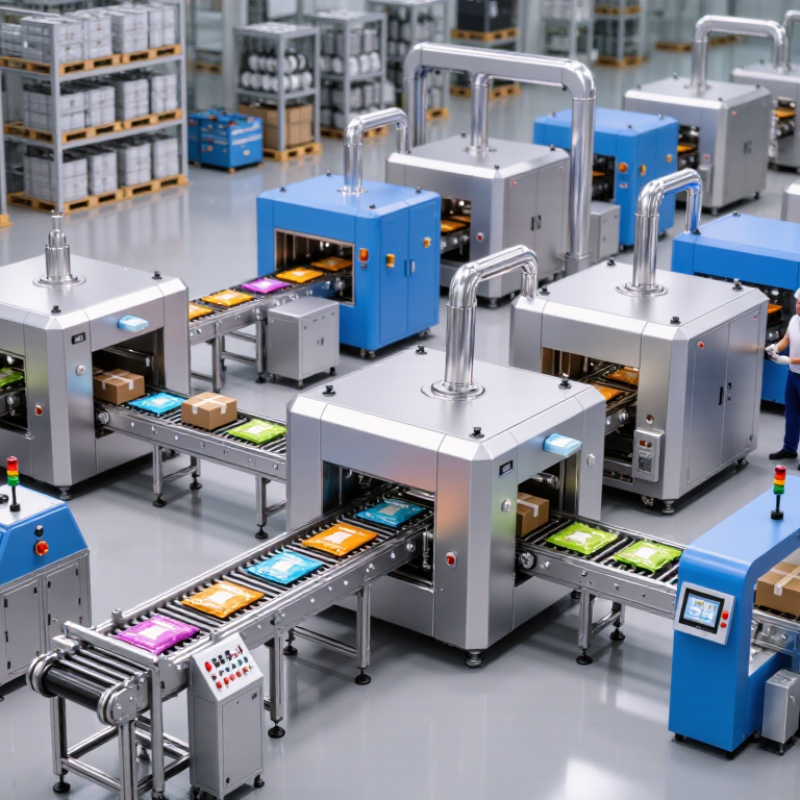
Sealing Machine Manufacturers: Industry Scope and Market Categories
Sealing machine manufacturers serve a broad packaging industry, from food processing and pharmaceuticals to household goods and industrial components. Their equipment closes pouches, bags, trays, bottles, and flexible films. Market categories usually depend on sealing method, packaging material, production speed, and automation level. These factors matter more than a simple manufacturer ranking.
Impulse sealers suit low to medium output and multilayer plastic bags. Continuous band sealers support faster lines and repeated production. Vacuum sealing systems remove air before closing the package, helping protect selected products during storage. Tray sealers handle prepared meals, fresh produce, and portioned goods. Induction systems create tamper-evident closures for compatible containers. Each category requires different heating controls, pressure settings, and maintenance routines.
Global buyers should examine machine width, temperature stability, seal strength, changeover time, and spare-part access. A ten-minute adjustment can become costly during a long production shift. Stainless steel frames are practical in washdown areas, while compact tabletop units fit smaller facilities. Packaging film also changes performance; a seal that works on one laminate may wrinkle on another. Specification sheets are useful, but they can still miss operator training and real factory conditions. No category fits every plant. Careful trials remain necessary before purchase.
Top 10 Sealing Machine Manufacturers for Global Buyers
Sealing Machine Industry Scope and Common Market Categories
The chart compares representative maximum sealing widths commonly specified for major sealing-machine categories.
Wider sealing formats generally support higher-throughput applications, while compact formats are widely used for
small bags, bottles, tubes, and flexible packaging. Actual specifications vary by machine configuration and supplier.
Measurement: representative maximum sealing width in millimeters; values reflect common commercial specifications and are not company-specific market-share data.
How to Evaluate Sealing Machine Manufacturers for Global Purchasing
Top 10 Sealing Machine Manufacturers for Global Buyers
Evaluating sealing machine manufacturers requires more than comparing catalog prices. Start with production evidence, not polished photographs. Request factory videos, equipment specifications, and recent quality records. A reliable supplier should explain sealing temperature, pressure, speed, and compatible materials clearly. Ask whether these settings remain stable during long production runs. Numbers can mislead.
Request sample testing with your actual packaging film, pouch size, and filling conditions. Measure seal strength, leakage rates, cycle time, and energy use. A professional manufacturer should provide test methods and repeatable results. Review electrical standards, safety documentation, spare-parts availability, and operator manuals for your destination market. Ask for evidence.
A factory audit can reveal important details. Check assembly areas, calibration labels, inspection procedures, and finished-machine storage. Speak with technical staff, not only sales representatives. Their answers often expose practical experience. Confirm warranty terms, remote support hours, installation training, and response times for replacement parts. Global purchasing also requires clear shipping documents and realistic lead times.
Do not choose solely by the lowest quotation. A cheaper machine may require costly adjustments, extra labor, or frequent downtime. Compare the total operating cost over several years. One weakness remains easy to miss: many evaluations ignore operator skill and local service capacity. Recheck those assumptions before signing. No audit is perfect. Share your production forecast and request a written performance commitment, while leaving room to challenge unclear claims.
Top 10 Sealing Machine Manufacturers and Their Core Strengths
For global buyers, the top 10 sealing machine manufacturers stand out through different core strengths.
One specializes in compact continuous band sealers for small food workshops. Another builds heavy-duty vertical machines for powders and granular products. A third focuses on automated filling and sealing lines, reducing manual handling. One manufacturer is known for precise heat-control systems and stable sealing temperatures. Another offers stainless steel equipment for humid production rooms. These differences matter more than catalogue appearance.
Several manufacturers serve specialized production needs. One develops vacuum sealing machines with reliable air removal and strong bag compression. Another designs ultrasonic sealers for clean, fast packaging with limited heat exposure.
A further supplier produces impulse sealers for short production runs and simple maintenance. One focuses on modified-atmosphere packaging and integrated gas-control systems. The tenth manufacturer provides flexible machines with quick format changes for multiple pouch sizes.
That flexibility can save hours during a busy shift.
Look beyond speed. Ask about seal width, film compatibility, spare-part access, operator training, and documented testing. A capable manufacturer should explain failure limits, not hide them. In practical trials, uneven film tension can cause wrinkles, weak corners, or leaking seals.
I have seen buyers select high output, then struggle with cleaning and changeovers. That choice needs reflection. A slower machine may deliver better uptime when staff, materials, and floor space remain limited. Reliable technical support also matters when a sensor fails during a night shift.
Comparing Machine Types, Features, Certifications, and Production Capacity
Top 10 Sealing Machine Manufacturers for Global Buyers
Comparing the top ten sealing machine manufacturers requires more than checking price. Continuous band sealers suit high-volume pouches, while vacuum, tray, and rotary machines fit different packaging lines. Buyers should compare sealing width, temperature control, film compatibility, line speed, and changeover time. PMMI’s 2024 State of the Industry report identifies automation and labor availability as major packaging investment drivers. That makes sensor-based control and simple maintenance increasingly valuable. Still, advertised speed can mislead. Real output often falls when operators change formats or remove damaged packs.
Certifications also require careful checking. CE or UL documentation supports equipment conformity, but it does not replace application-specific validation. Food producers may need ISO 22000-based systems, hygienic design records, and traceable contact materials. The ISO Survey reports more than one million ISO 9001 certificates worldwide, showing its importance as a quality framework. However, certification alone cannot prove dependable production. Ask for factory acceptance testing, seal-strength records, spare-parts availability, and verified uptime. Production capacity should include hourly output, installation lead time, service coverage, and the manufacturer’s experience with similar films.
Tips: Request a sample run using your actual products and packaging materials. Measure seal strength after transport simulation, not only on a clean factory sample. Compare three operating shifts, because a machine that performs well for one hour may struggle overnight. No ranking is perfect. The best choice depends on risk, operator skill, product sensitivity, and future volume.
How Global Buyers Can Select and Verify the Right Manufacturer
Top 10 Sealing Machine Manufacturers for Global Buyers
How Global Buyers Can Select and Verify the Right Manufacturer
Global buyers should evaluate sealing machine manufacturers through evidence, not attractive catalogs. Grand View Research valued the global packaging machinery market at about USD 52.83 billion in 2023. This growth increases supplier choice, but also increases verification risks. Ask for a registered company address, production records, export references, and current quality certificates. A professional supplier should explain sealing temperature, pressure, speed, film compatibility, and expected maintenance intervals in clear language.
Test the machine with your actual packaging materials. Do not rely only on demonstration videos. Check seal width, leakage resistance, temperature stability, noise, and operator safety during a witnessed factory acceptance test. ISO 11607 provides useful guidance for packaging systems requiring seal integrity, especially in regulated applications. Request test records with machine settings and sample measurements. Small details matter.
PMMI industry reports continue to identify automation, labor efficiency, and equipment reliability as important packaging investment drivers. Therefore, compare total ownership costs, not only the purchase price. Review spare-parts availability, remote support response times, training, warranty limits, and local service capability. A low quote may hide expensive downtime. I have seen buyers overlook changeover time; that mistake can outweigh a modest equipment discount. Verification is rarely perfect, either. Supplier references may be selective, and certificates can become outdated. Recheck them before payment and document every technical promise in the contract.
Conclusion
This guide presents a practical overview of the global Sealing Machine industry, covering major market categories, machine types, application areas, and purchasing considerations. It explains how buyers can evaluate manufacturers by examining sealing performance, equipment compatibility, automation level, material quality, customization capability, certifications, production capacity, delivery reliability, and after-sales support. The goal is to help purchasers understand the differences between common solutions and identify suppliers that match their packaging requirements, operating environment, and long-term business objectives.
The article also compares key features such as sealing speed, temperature control, energy efficiency, safety design, maintenance needs, and integration with existing production lines. It outlines a structured process for selecting and verifying a suitable manufacturer, including reviewing technical documents, confirming quality systems, checking factory capabilities, requesting samples or testing, and clarifying warranty and service terms. By using these criteria, global buyers can reduce purchasing risks and make more informed, cost-effective decisions when sourcing sealing equipment.