0%

Choosing an Injection Molding manufacturer is a technical decision, not a simple price comparison. Global buyers must examine tooling capability, material control, production consistency, and communication quality. A polished website proves very little. Factory evidence matters more.

Douglas M. Bryce, a recognized injection molding author, wrote, “The mold is the heart of the injection molding process.” That principle still guides serious supplier evaluation. A capable manufacturer should explain mold-flow risks, draft angles, cooling design, and expected tool life in practical terms. It should also provide clear quality records, dimensional reports, material certificates, and traceability documents. These details reveal whether a supplier controls production or merely promises it.

This Top 10 list focuses on manufacturers serving international buyers across automotive, medical, electronics, consumer products, and industrial markets. It considers engineering support, machine range, automation, certifications, export experience, delivery reliability, and after-sales service. Sustainability is also relevant, including recycled materials, energy efficiency, and waste reduction. However, no ranking is perfect. A company strong in high-volume automotive parts may not suit a startup needing flexible low-volume production. Regional pricing, communication habits, and tooling ownership can also change the final decision. Buyers should verify current capabilities directly, request samples, and ask difficult questions before signing. Small details matter. A late design change can reshape the entire project.
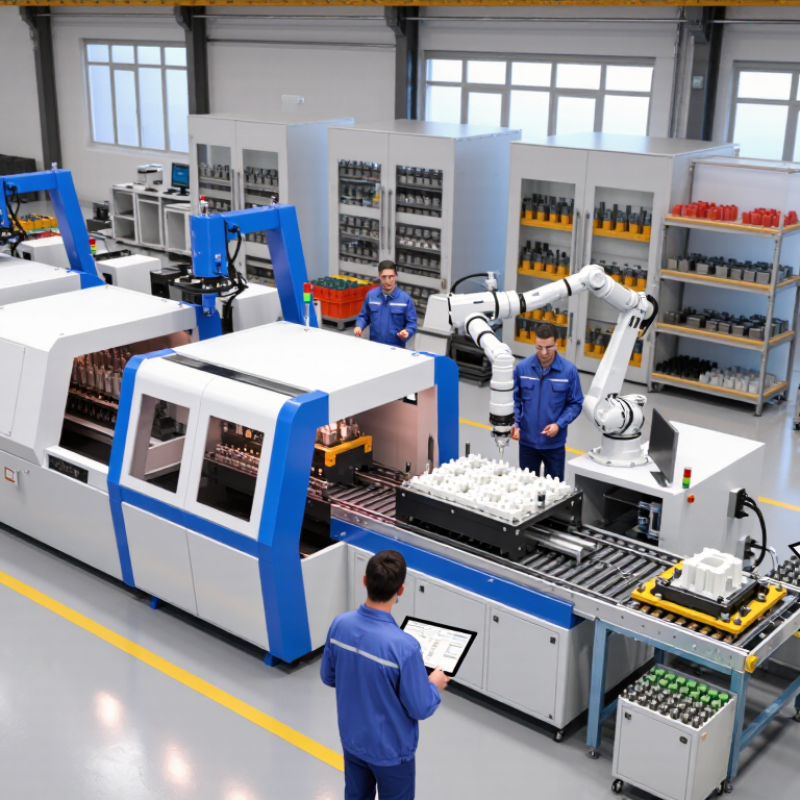
Top 10 Injection Molding Manufacturers for Global Buyers

How Injection Molding Manufacturers Are Evaluated for Global Buyers

Global buyers evaluate injection molding manufacturers through evidence, not polished promises. A capable supplier should explain its experience with similar parts, materials, tolerances, and annual volumes. Ask for anonymized case details, process records, and recent production samples. A sample part should show consistent wall thickness, clean gates, and stable dimensions.

Technical strength matters during mold design and production. Review the manufacturer’s equipment range, mold maintenance system, inspection tools, and process-control methods. Measurements from a coordinate measuring machine can confirm critical dimensions. Material traceability should connect each batch to a supplier certificate. Useful quality data may include capability studies, defect rates, and corrective-action reports.

However, documents can hide practical weaknesses. Visit the facility when possible, or request a live video inspection. Watch how workers handle molds, label materials, and isolate defective parts. Communication also deserves careful testing. Send a detailed drawing and observe how clearly the team identifies risks, unclear tolerances, and missing specifications. The lowest quotation may exclude tooling trials, packaging tests, or spare components. That is easy to miss.

Reliable manufacturers also show realistic capacity and delivery planning. Ask how they handle machine downtime, urgent changes, and demand increases. Compliance records, export experience, and worker safety practices support long-term confidence. Still, no evaluation is perfect. A small pilot order may reveal more than a large presentation. Allow room for doubt. It often leads to better questions.

Top 10 Injection Molding Manufacturers for Global Buyers

How Injection Molding Manufacturers Are Evaluated for Global Buyers

This weighted scorecard reflects the practical criteria commonly used in international supplier evaluations. Quality systems and production capability receive the highest weights, followed by delivery reliability, certifications, tooling expertise, sustainability, and communication.

Top Global Injection Molding Manufacturers and Their Core Capabilities

Top Global Injection Molding Manufacturers and Their Core Capabilities

The leading ten injection molding manufacturers serve automotive, medical, electronics, packaging, and industrial customers worldwide. Their strongest capability is not machine size alone. It is the ability to control materials, tooling, production, and inspection as one system. Experienced suppliers commonly support thermoplastics, engineering resins, elastomers, and fiber-reinforced compounds. They also manage complex molds with hot runners, multi-cavity layouts, and tight tolerance requirements.

Reliable manufacturers usually provide mold-flow analysis before cutting steel. This helps identify weld lines, shrinkage, air traps, and uneven cooling. Many operate automated cells with robots, vision inspection, and real-time process monitoring. Clean production areas are essential for medical and sensitive electronic components. Documented traceability matters too. Each batch should connect to resin data, machine settings, operator checks, and inspection results. That detail can prevent a small defect from becoming a costly recall.

Global buyers should compare engineering depth, not only quoted prices. Ask about validation reports, mold maintenance schedules, capacity during peak demand, and backup production plans. A supplier may claim high precision, yet provide weak measurement evidence. That deserves careful questioning. Regional technical support can reduce delays when a mold needs adjustment across time zones. Still, no factory performs perfectly. Tool wear, material variation, and rushed approvals can affect results. A practical sourcing decision leaves room for pilot runs, design revisions, and honest review of early failures.

Top 10 Injection Molding Manufacturers for Global Buyers - Top Global Injection Molding Manufacturers and Their Core Capabilities

An anonymized comparison of major global injection molding supplier capability profiles.

Rank Anonymous Supplier Profile Primary Production Region Core Molding Processes Typical Machine Range Material Expertise Key Industry Applications Differentiating Capability
01 Global Profile A Western Europe Precision injection molding; insert molding; overmolding 50–1,300 metric tons Engineering thermoplastics, glass-filled polymers, elastomers Automotive, medical devices, industrial controls High-precision tooling, validated production, automated inspection
02 Global Profile B East Asia High-volume injection molding; thin-wall molding; in-mold decoration 80–2,500 metric tons PP, ABS, PC, PC/ABS, PA, POM Consumer electronics, appliances, packaging Large-scale capacity, competitive tooling, export-oriented logistics
03 Global Profile C North America Structural foam molding; gas-assist molding; conventional molding 90–3,000 metric tons PP, ABS, HDPE, PC, nylon, recycled-content polymers Transportation, material handling, industrial equipment Large-part production, integrated assembly, regional supply programs
04 Global Profile D Southeast Asia Multi-cavity molding; two-shot molding; insert molding 40–1,600 metric tons PP, PE, ABS, PC, TPE, silicone-compatible assemblies Electrical products, consumer goods, automotive components Tooling-to-production integration and flexible export manufacturing
05 Global Profile E Central Europe Cleanroom molding; micro molding; precision injection molding 15–500 metric tons Medical-grade PP, PE, PC, PEEK, PPS, TPE Healthcare, laboratory equipment, life-science products Controlled environments, traceability, process validation
06 Global Profile F South Asia Conventional injection molding; compression-assisted molding; assembly 60–1,200 metric tons PP, ABS, HIPS, nylon, PBT, filled polymers Electrical hardware, appliances, automotive interiors Cost-efficient production, secondary operations, scalable workforce
07 Global Profile G Japan and Korea Precision molding; insert molding; micro-feature molding 20–1,000 metric tons LCP, PPS, PBT, PC, POM, high-temperature polymers Electronics, sensors, automotive systems, robotics Tight dimensional control and advanced automation
08 Global Profile H Mexico and Latin America Automotive injection molding; insert molding; assembly 100–2,000 metric tons PP, TPO, ABS, PC/ABS, nylon, reinforced polymers Automotive, commercial vehicles, industrial products Nearshore supply, large-part molding, just-in-time delivery
09 Global Profile I Eastern Europe Precision molding; insert molding; technical assembly 30–1,000 metric tons PA, PBT, PC, ABS, PP, flame-retardant grades Electrical systems, industrial equipment, automotive Engineering support, controlled production, European distribution access
10 Global Profile J Global multi-region network Prototype molding; low-volume production; rapid tooling 25–800 metric tons Common thermoplastics, engineering resins, elastomers Start-ups, product development, industrial and consumer products Fast design iteration, DFM support, bridge production and contract manufacturing
Buyer note: Machine tonnage, material availability, certifications, cleanroom classification, tooling ownership and production capacity should be verified directly with each shortlisted supplier before sourcing decisions are made.

Materials, Technologies, and Industries Served by Each Manufacturer

Top 10 Injection Molding Manufacturers for Global Buyers

Global buyers should compare more than machine capacity and quoted prices. Material control, mold engineering, process monitoring, and industry experience often determine long-term value. In supplier audits, I examine resin traceability, tool maintenance records, and sample consistency.

Manufacturer 1 specializes in polypropylene and ABS parts for consumer electronics. Its automated inspection systems help control small dimensional changes.

Manufacturer 2 focuses on glass-filled nylon for automotive brackets and under-hood components. It uses computer-controlled molding and in-line pressure monitoring.

Manufacturer 3 handles medical-grade polycarbonate and PEEK for laboratory equipment. Clean production areas and documented validation are essential here.

Manufacturer 4 produces silicone and thermoplastic elastomer parts for seals, grips, and wearable products. Its low-pressure molding methods protect delicate inserts.

Manufacturer 5 works with recycled resins for packaging and household goods. Material performance can vary. Buyers should request batch testing.

Manufacturer 6 combines aluminum tooling with rapid prototyping for industrial enclosures.

Manufacturer 7 serves electrical manufacturers with flame-retardant polyamide and precision connectors.

Manufacturer 8 develops large molded parts from polyethylene and reinforced composites for logistics equipment.

Manufacturer 9 supplies transparent acrylic components for lighting and display systems. Surface defects become obvious under direct light.

Manufacturer 10 supports aerospace-related applications using high-performance polymers and strict process records.

No supplier fits every project. A technically impressive facility may still miss delivery targets. Buyers should compare actual samples, tolerance reports, resin certificates, and communication speed before approving production. Industry claims also deserve verification through factory visits or independent audits.

Quality Standards, Production Capacity, and International Certifications

Top 10 Injection Molding Manufacturers for Global Buyers

Selecting an injection molding manufacturer requires more than comparing unit prices. Quality standards, production capacity, and international certifications reveal how reliably a supplier can support global orders. Experienced buyers should review process controls, not only polished brochures. A capable factory records mold temperature, injection pressure, cycle time, and material batches for every production run.

ISO 9001 certification indicates a structured quality management system, but the certificate alone proves little. Check its issuing body, validity date, and certified production scope. Medical projects may require ISO 13485, while automotive programs often demand IATF 16949. Ask for recent audit findings, corrective-action records, and inspection reports. Small details matter. A missing calibration sticker can signal weak discipline.

Production capacity should match realistic demand. Review the number of molding machines, their tonnage range, operating shifts, backup equipment, and maintenance records. A supplier claiming high output may still struggle during seasonal peaks. Request sample capacity calculations and lead-time data from comparable projects. I have seen buyers focus on machine count and overlook skilled technicians. That mistake can create flash, warping, or inconsistent color. International shipments also need clear packaging methods, traceability, and export documentation. Certifications support trust, but regular factory audits and transparent communication provide stronger evidence. No evaluation is perfect. Leave room for rechecking assumptions.

How Global Buyers Can Compare Suppliers and Select the Right Partner

Top 10 Injection Molding Manufacturers for Global Buyers
Choosing an injection molding partner requires more than comparing unit prices. Global buyers should examine tooling experience, material control, production capacity, and communication quality.

A reliable supplier can explain mold steel selection, cycle time, cavity pressure, and expected part tolerances. Ask for sample parts from similar projects. Inspect surfaces, dimensions, weld lines, and packaging protection. Real evidence matters.

Request a detailed quotation with tooling costs, material grades, minimum order quantities, inspection methods, and delivery assumptions.

Compare the same specifications across suppliers. Review quality records, process control plans, and traceability systems.

Certifications can support credibility, but they do not replace a factory visit or independent audit.

I have seen attractive quotes fail after hidden mold changes and unclear shipping terms. That mistake is expensive.

Tips:
Use a weighted supplier scorecard. Give separate scores for quality, engineering support, lead time, communication, and total landed cost.
Check how quickly the team answers technical questions. Ask what happens when a mold wears early or a batch misses tolerance.
A thoughtful answer reveals more than a polished presentation. Start with a controlled pilot order.
Measure defect rates, dimensional consistency, response speed, and documentation accuracy.
Keep room for doubt; an impressive first sample may not represent routine production.

FAQS

What should global buyers compare besides machine capacity and price?

Compare material control, mold engineering, process monitoring, quality records, delivery history, and communication speed. Cheap quotes can hide mold changes or shipping assumptions.

How can buyers verify material quality?

Request resin certificates, batch records, and traceability documents. For recycled materials, ask for batch testing because performance may vary.

Which production records should a supplier maintain?

Reliable records include mold temperature, injection pressure, cycle time, material batch, inspection results, and maintenance history. Details matter.

Do international certifications guarantee reliable production?

No. Certifications support trust, but they do not prove daily consistency. Check validity, issuing bodies, production scope, audit findings, and corrective actions.

How should buyers evaluate production capacity?

Review machine tonnage, operating shifts, backup equipment, maintenance records, and skilled technician availability. Machine count alone can mislead.

What should buyers inspect in sample parts?

Check dimensions, surface defects, weld lines, flash, warping, color consistency, and packaging protection. Direct light reveals small surface flaws.

How can buyers compare supplier quotations fairly?

Request identical specifications for tooling, material grade, minimum order quantity, inspection methods, lead time, and delivery terms. Compare total landed cost.

What questions reveal a supplier’s problem-solving ability?

Ask what happens when a mold wears early or a batch misses tolerance. A clear response often matters more than polished slides.

Is a successful pilot order enough for approval?

Not always. Measure defect rates, dimensional consistency, response speed, and document accuracy during routine production. One excellent sample proves little.

Should buyers conduct factory visits or independent audits?

Yes, when practical. Inspect calibration labels, clean production areas, tool maintenance, packaging methods, and traceability systems. No evaluation is perfect.

Conclusion

This guide presents a practical overview of the top Injection Molding manufacturers serving global buyers, focusing on how suppliers are evaluated beyond price alone. It explains the importance of technical expertise, material compatibility, production consistency, tooling capabilities, delivery reliability, communication, and after-sales support. Readers will also learn how different manufacturers serve industries such as automotive, electronics, medical equipment, consumer products, and industrial components while working with materials including engineering plastics, recycled resins, and specialty compounds.

The article compares supplier capabilities through quality management systems, production capacity, automation, testing procedures, and internationally recognized certifications. It also outlines a clear selection process for global buyers, including reviewing sample quality, confirming mold ownership and maintenance responsibilities, assessing scalability, checking export experience, and evaluating total project cost. By using these criteria, buyers can identify a reliable manufacturing partner that matches their product requirements, compliance expectations, budget, timeline, and long-term supply strategy.

Ethan Caldwell

Ethan Caldwell

Ethan Caldwell is a dedicated marketing professional with a strong understanding of product strategy, customer needs, and digital communication. As a key contributor to the company’s content and marketing initiatives, he regularly updates the corporate blog with practical, insightful articles that......